Saturday, 18 December 2021

Articles Of The Week December 19, 2021

Most of the time when someone is dealing with pain, they want to know why. However, when it comes to healthcare, it’s a business and sending people out for more imaging etc. is part of that business. So, it’s great to see a doctor putting out the kind of information that is presented in this article.

Sometimes our joints just hurt, and it’s ok not to know why – Howard J. Luks MD

With all the information being thrown at us on a daily basis (especially in the last couple of years) we can get pretty overwhelmed. So, how do we know what works well for us personally in all this information for sustainable well-being? Here are some tips:

Nailing The Basics Is Simple Not Easy—The Growth Equation Manifesto – Brad Stulberg & Steve Magness

There is many a “myth” around our profession (in fact we’ve written about several of them). However, quite often when we learn that some of the things we’ve been telling patients isn’t true it can be quite disheartening. But as this ebook tells us…don’t lose heart, we are still doing some great things.

5 Myths and Truths about Massage Therapy Letting Go Without Losing Heart – Tracy Walton

Is the medical system lacking humanity? Well, with this article coming from someone who has dealt with persistent pain for most of their life and being put through the medical system, I listen when they talk about healthcare. So, yes, I’d say we need to put more humanity back in healthcare.

We Need to Put Humanity Back Into Healthcare – Keith Meldrum

Getting a good health history is a really important part of what we do. However, there are times where even with a good history we may not be able to rule everything out and in turn could have something confusing happen with a person on our table. This is just one of those situations:

Medical Mystery: A spa day with lasting consequences for US professor – Sandra G Boodman

The post Articles Of The Week December 19, 2021 appeared first on The Massage Therapist Development Centre.


source https://themtdc.com/articles-of-the-week-december-19-2021/

Monday, 13 December 2021

Education In Rehab – WTF Does It Mean…?

Education, education, education. How often do you hear this term in relation to modern MSK practice?

Sorry, I got that wrong. Education & exercise, Education & exercise, Education & exercise : )

All the bloody time is the simple answer!

But education, just like exercise, suffers from the issue that we talk about it in very general terms but have little in the way of actual frameworks for application. Every guideline going seems to point towards these as core treatments but often without any real direction. I can see why therapists fall back on more traditional perspectives faced with uncertainty.

So education about what? When? How? To who? The usual questions come out when we unpick it a bit. Education has been hijacked by PAIN education over the last few years but in reality, its formed a backbone of MSK practice…..well forever. Education is something I talk about in class A LOT,  but I do feel people are like hurry up and get to the REAL treatment Ben, i’m getting bored over here.

Is education seen as PROPER treatment? I am not convinced yet.

People Always Have Wanted Information


This is nothing new!

How often have you had someone come in and say “My back pain has been going on a little bit longer than usual and I thought I had better have it checked out”.  We know back pain, as an example, can last for 2-6 weeks and it’s perfectly normal for this to happen. But if someone has only ever had the problem before for a few days it’s probably a bit worrying and they want to know what is going on to decrease the worry that can flourish in stressful situations.

People definitely come to see us to get rid of their pain, but they also want to understand their problem, the implications and know how to manage it as well.

Louis Gifford highlighted a few things that is fairly universal amongst people. What is it? How long will it last? What can we do about it? Another question I get asked regularly is “Can I still do….”. People still want to do things but not to make the problem worse but often get scared into reducing activities rather than receive knowledge to sensibly manage them.

Education Or Knowledge Transfer?


We use the term education, but for me, that can conjures up images of stern teachers in front of naughty school kids and does not really reflect what we often do with people.  Maybe it is really about helping someone make coherent sense of the issue, decreasing the uncertainty and danger around the problem and providing paths forward. This is more of a partnership perspective that incorporates knowledge transfer than traditional didactic models of teaching. So maybe knowledge transfer or sense-making is a better term?

What Can We ‘Educate’ About?


SO MANY THINGS IS THE SIMPLE ANSWER!


What Is It?

Probably the most important thing that people want is a diagnosis. If we know what it is we can effectively treat it, right? Er…maybe as we know in so many MSK issues that are simply not possible from a structural perspective. In the absence of this, we need a positive & coherent narrative around the problem. That could include pain ed but information about pain does not need to dominate.

“Cases of nonspecific musculoskeletal pain where, although the source of the pain is unclear, diagnostic imaging is not indicated, and the pain may not always be completely alleviated with treatment. In such cases, concrete, clear, and consistent information can help the recovery process, even in the absence of a specific diagnosis” Carroll et al 2016

How Long Will It Take?

Prognosis and the factors that influence it can be really helpful with often unclear diagnoses like back, knee or shoulder pain. Setting realistic expectations is important as well. Too high and it can lead to disappointment when they are not reached, too low and the motivation to engage in the process can limit the outcomes.

What Can I Do About It?

Health and lifestyle, exercise, activity and self-management are all areas that we can help people with. Helping people to effectively create management plans is sorely missing IMO. Again perhaps this is not seen as treatment?

What Does The Person Want To Know?


For a really effective transfer of knowledge maybe taking the time to find out what the person WANTS  to know is important. Just throwing out information might lead to important questions remaining unanswered. There are so many questions that people have that we may not have considered or we feel are not important. If they are important to the person they should be important to us!

“What concerns you the most about your problem?”

“Do you have any major concerns you would like to talk to me about?”

“What’s your biggest fear about this?”

“What’s the most important question I can answer for you today?”

Context


It needs to make “biological and biographical sense” as my friend Joletta Belton would say. This was the great failing of pain education IMO, it does not automatically integrate with the person’s story, it’s like talking to a stranger in a pub when they are telling you about their life story and you are being talked AT without the conversation ever relating to YOU. A friend that just talks about themselves is another example, you just want to get the hell out of there, or . So make sure your knowledge transfer actually fits the person and their story in a way that relates.

Failure


Maybe this is why some of the things we expect to be helpful don’t succeed? Without a knowledge of what to do, why they are doing it and how it is going to help, exercise, as an example, does not relate to the person and their problem?

Lots of my failures (professional ones : ) may have come from not aligning in terms of treatment philosophy with the person I am working with. My vision of what to do does not match theirs and in part that might stem from my inability or failure to ‘educate’ about the what, why’s and how’s.

Conclusion


  • Education IS treatment
  • What does it really mean?
  • People have always wanted information from therapists
  • Think person centred rather than teacher style
  • What is it? How long will it take? What can I do about it?
  • Find out what the person wants to know
  • Apply information in context

The post Education In Rehab – WTF Does It Mean…? appeared first on The Massage Therapist Development Centre.


source https://themtdc.com/education-in-rehab-wtf-does-it-mean/

Monday, 6 December 2021

A Good Response To: “Manual Therapy Sucks”

Not too long ago, we did a post about how manual therapy actually works (as opposed to many of the narratives offered in continuing education).

While we know manual therapy can be a very helpful component in helping people dealing with pain, we still see some opposition to this once in a while.

We see people making some bold statements like:

“manual therapy sucks” or

“exercise is the only thing that works.”

In reality, neither of these things are true but using both in treatment will likely give you better outcomes than just one as a singular intervention.

Putting The Human Back In Human Touch

For the past few years, the manual therapy field has paid a lot of attention to the biopsychosocial aspects of pain management.

However, it almost seems like manual therapy has taken a back seat to other interventions like exercise (which I’m a big fan of using in treatment).

But is this the best approach for us to take?

A great new paper¹ outlines several reasons why it is still REALLY important for us to use and incorporate manual therapy into treatments and fortunately, there are a number of things I never thought of.

Firstly, think about the aspects of your clinical encounter when a patient comes to see you, especially when it’s the first time.

Usually, we would start with some orthopedic tests and a good conversation. Part of what is happening during this time is demonstrating your clinical competence

Your hands-on movement of an injured area shows not just that you know what you’re doing, but it also demonstrates compassion and humanizes the treatment for the person receiving it.

This also helps us set up treatment boundaries where we find out what the person is comfortable with while creating a safe space. While it is very important for us to set up our clinical encounter with people to create that safe space (and to show your clinical competence) there are some other really important aspects to touch that are invaluable in helping a person with pain.

Analgesic Touch

Ever hit your shin on the side of a coffee table and then rub it incessantly like Peter Griffin in family guy (obviously after you’ve sworn at the table!)?

Well, there’s a reason we do this because touch feels really good!

There is a pain modulation that happens with touch that feels good. While there are other techniques we use that do things like distraction to take attention away from a painful area, good touch actually helps to downregulate pain signals through various fibres and pathways that are mediated at the brainstem.

Affective Touch

When touch is delivered in a therapeutic setting, it prepares the brain for touch which stimulates C-Tactile fibres which set things up for a positive therapeutic experience. This promotes positive feelings like safety and relaxation while also reducing things like avoidance behaviours and stress.

Now because this is an empathetic touch it helps remove some of the psychosocial barriers that contribute to a person’s pain experience.

Somatoperceptual Touch

We have seen over the past few years how when a person dealing with persistent pain can experience a misrepresentation of how their body actually feels and what it experiences.

Turns out a therapist’s touch can help in this regard as well.

Just by putting our hands on people, we can help to change a person’s body perception by helping to reorganize mental representations of their body. This helps a patient be able to discriminate between safe and threatening stimuli while also showing how their body isn’t damaged.

This also helps to reduce stress, anxiety, and avoidance behaviours around pain.

Does This Mean Our Touch Is Enough?

Well…it depends.

There are certainly times when someone just needs a good old delicious feeling massage and there is certainly NOTHING wrong with that.

If we have those people (say nurses or other first responders for example) who aren’t necessarily dealing with an injury and are using us as part of a wellness plan, then by all means give them that delicious massage.

However, when we have those individuals who are dealing with an injury say from a car accident, workplace, sports, or some other type of injury we need to incorporate more than just hands-on into the treatments.

We still need to follow the best guidelines for MSK care and provide education, reassurance, movement…and of course some massage. While a lot of what we do in treatment is communicating with our hands, our communication verbally is still a really important part of the therapeutic experience. This paper ¹ points out how this should also be a responsibility of educators and students alike to veer away from the biomechanical constructs of communication to include the person’s emotional experiences as well when we talk to them. While I will always be an advocate to include exercise and movement into our treatments, it doesn’t mean we need to abandon manual therapy (as some would like to promote) and strictly adhere to an exercise-only program. It’s quite the opposite. To be a better therapist and have better outcomes with our patients, let’s not throw the baby out with the bathwater as it were, let’s include education, movement, and massage. The more well-rounded we are as therapists and the more well-rounded our delivery, the better it is for the people who come to see us. As for those who say manual therapy sucks…well…this paper proves that wrong. There is still a really important place for that delicious feeling massage.


References:

  1. Geri T, Viceconti A, Minacci M, Testa M, Rossettini G. Manual therapy: exploiting the role of human touch. Musculoskeletal Science and Practice. 2019 Dec 1;44:102044.


The post A Good Response To: “Manual Therapy Sucks” appeared first on The Massage Therapist Development Centre.


source https://themtdc.com/a-good-response-to-manual-therapy-sucks/

Saturday, 4 December 2021

Articles Of The Week December 5, 2021

We quite often talk about this topic but rarely in the case of athletes. Important for us to take into account how the thought of pain and tissue damage is effecting this population and how we can communicate with them to help.

Why Pain Doesn’t Always Mean You’re Injured – Alex Hutchinson

Well, the holidays are coming and if you’re anything like me you’re probably going to overdo it on the treats and cocktails! However, this shouldn’t discourage us and there are some ways that we can still work to stay healthy during this holiday season.

How To Stay Healthy During The Holidays – Gina Harney

Dec 1st is “World Aids Day”. This is really important because when AIDS & HIV were first known about we had little knowledge about it and unfortunately there wasn’t much in the way of treatment. However, nowadays this is a manageable condition and we are likely to see more people in our clinics with this who could use our help. Thus, it’s really important to educate ourselves on the condition.

World AIDS day | 40 years on – Rehabilitation is Key – Kim Jackson

When I was 19 I got pulled through the wheel well of a tractor and dislocated my patella. Ten years later I had surgery to repair this and my leg was in a splint for 3 months…it was literally 1/2 the size of my other leg when the splint came off. I wish I had access to this article back then!

How to Fight Muscle Atrophy After Injury: A Personal Trainer’s Guide – Michelle Carroll

So it isn’t just the manual therapy professions who deal with poor information getting shared around, it’s rife within the nutrition industry as well. But, there is some really quality, evidence-based information out there…you just have to look for it.

Superstition, sciencestition, and how to stop overthinking food. – John Berardi

The post Articles Of The Week December 5, 2021 appeared first on The Massage Therapist Development Centre.


source https://themtdc.com/articles-of-the-week-december-5-2021/

Saturday, 27 November 2021

Articles Of The Week November 28, 2021

We quite often highlight things around mental health but to this day I don’t think we give enough attention to athletes and the toll mental health can take on them. This is a great example of how a professional athlete is using their platform to raise awareness around this.

Tyson Fury opens up on his mental health: ‘I have been unwell all my life. I didn’t know what it was’ – Kevin Garside

No matter what part of healthcare you work in, informed consent is a crucial part of the patient/therapist interaction. What we see here is a healthcare provider giving treatments with no evidence behind them. Unfortunately, we see this regularly in our profession with many of the narratives behind some modalities that are offered as continuing education. This should be a warning to all of us in healthcare about informed consent and proper treatment.

Naturopath who gave vitamin IVs to mental health patient without doctors’ knowledge faces renewed probe – Bethany Lindsay

We often preach about evidence-based practice and the importance of incorporating research into practice. But it turns out this is even an issue with doctors and this questions their ability to deliver effective care. While we often preach that we can do better as a profession, turns out all healthcare professions need to do better as well.

How doctors are betraying the Hippocratic oathIan A Harris & Rachelle Buchbinder

It’s not often that pain science is applied to athletes but in this study (which highlights the work of our friend Morten Hogh) it argues that, in the context of sports medicine, pain and injury are two distinct entities and shouldn’t be lumped together.

Why Pain Doesn’t Always Mean You’re Injured – Alex Hutchinson

What do we do with the initial information we receive when a new person comes to see us? Well, there are several things and this article gives some great advice on how to proceed.

Making First Contact: What To Do With All That Information! Part 1 – Bronnie Lennox Thompson

The post Articles Of The Week November 28, 2021 appeared first on The Massage Therapist Development Centre.


source https://themtdc.com/articles-of-the-week-november-28-2021/

Sunday, 21 November 2021

Things I Wish I Knew About “Rotator Cuff Disease”

It was the first time I’d seen this patient. 

When I asked what brought them in they showed me how they could only get their shoulder to about 90* abduction and it had been this way for two years. 

Digging a little deeper to find out what happened, they explained they had a rotator cuff surgery due to a tear. 

This was life-changing for them. 

Not only could they not move their shoulder correctly, but it also resulted in a change from a job they loved to one they hated due to the lack of mobility. 

So, was surgery the best approach in this case? 

While I’ll never know the true answer to this, I can look at the most up-to-date research and attempt to make an educated guess ( and I think I know where this is going). 

Rotator Cuff Disease

A recent paper¹ came out on this topic, and I’ll admit I was surprised to see them refer to this condition as a “disease.”

However, when we look at the dictionary definition of disease² it states: 

disease, any harmful deviation from the normal structural or functional state of an organism, generally associated with certain signs and symptoms and differing in nature from physical injury.”

So, in this case, the limited function of the shoulder has deviated from its normal functional or structural state, so I guess it can be classified as such. But, I would never want to communicate it to a patient that way as it suggests a more damning diagnosis than it is. 

Now, in order to define this “disease” they put some classification around it which includes: 

  • Pain that is worse at night
  • Pain exacerbated by specific movements which included overhead activities
  • Loss of function and weakness

In addition to the above rotator cuff disease was basically used as an umbrella term to classify issues with the rotator cuff regardless of the cause and would include: 

  • Positive painful arc test (physiotutors gives a great example of how to perform the test HERE)
  • Positive external rotation resistance test

These tests together were the most accurate diagnosis unless it was a full-thickness tear. In this case, the use of a positive lag test was most appropriate. Here is one example of how to do the test, but this can also be done with the shoulder at 90′ rotation, called the “drop arm sign.” 

It is also worth noting that the review found an increased prevalence of this with age, especially in those people who performed repeated overhead activities. 

What Do We Do For Treatment?

So, this paper was a BIG review; there were 3620 participants in 60 different trials with a median age of 51. 52% of these were women and the average duration of symptoms was 11 months. 

What they found was that people were rarely given just one intervention. 

This makes it really difficult to say if just manual therapy, just exercise, or a single other intervention was the best approach as there was always a combination of things offered. 

The average duration of therapy offered was six weeks. When they looked at what manual therapy was offered, this included: 

  • Joint mobilizations
  • Massage
  • Spinal or neck mobilizations
  • PNF stretching
  • Dicutaneous Fibrosis (I had to google this as I’ve never heard of it, but it’s IASTM with a stainless steel hook)

Exercise interventions included: 

  • Strengthening
  • Stretching
  • Progressive resistance
  • Pendulum exercises
  • Eccentric training
  • Postural training
  • Motor control
  • Proprioceptive training
  • Self-mobilization (yay for self-care)
  • Dynamic humeral centring (movement aimed at humeral head depression) 

Interestingly, they compared the above to some other trials that included things like steroid injection, NSAIDs, surgery, naturopathic care, and a few other interventions. 

When it was all said and done, they compared what was seen as high-quality evidence to low-quality evidence. 

Under the umbrella of “high quality evidence,” their findings showed no difference between manual therapy, exercise, and placebo for overall pain, disability, and function. But there was also a risk as manual therapy and exercise were frequently associated with adverse effects like short-term pain (although very mild). 

When looking at “low quality evidence,” it was pretty consistent with the aforementioned high-quality evidence but also showed that the use of glucocorticoid steroid injections helped with global treatment success. 

Overall, this doesn’t sound like a real positive for manual therapy and exercise, but there are some things to consider. Throughout the studies, manual therapy and exercise were always incorporated with some other type of therapy. Also, much of the exercise used was very vague by description and didn’t include whether this was done supervised in the clinic, or at home. Finally, while the comparison to glucocorticoid steroid injection seems like it could be of benefit, this was based on low-quality evidence, so this doesn’t give the intervention much credence. 

Looking at what they considered placebo, they used modalities like ultrasound (which in other studies has been shown to have a high level of placebo). This review doesn’t really talk about the interaction between patient and therapist or other contextual factors of treatment. We might see a more detailed description of the exercises and modalities used as interventions if these were included. 

However, when we look at other papers that discuss the clinical guidelines of MSK care the best steps are typically shown to be: 

  1. Reassurance
  2. Education
  3. Exercise
  4. Some manual therapy

If we were to apply the same to issues with the rotator cuff, we’d likely see better outcomes than if these weren’t used. Even though this review says there is no clinically important benefit to manual therapy and exercise over placebo, it doesn’t mean they aren’t of benefit. But if we used those as a combination in treatment the high-quality evidence shows this to be the best approach. So, with any shoulder issue, continue to use exercise and massage. Just remember there are other factors that contribute to a successful treatment. Things like patient preference, demeanour, education, reassuring them, and providing validation will all help contribute to better patient outcomes. Let’s just remember to incorporate as much as possible.


The post Things I Wish I Knew About “Rotator Cuff Disease” appeared first on The Massage Therapist Development Centre.


source https://themtdc.com/things-i-wish-i-knew-about-rotator-cuff-disease/

Saturday, 13 November 2021

Articles Of The Week November 14, 2021

The more we recognize in regards to mental health, the more we will likely see new research coming out about it. This article is proposing that perhaps some mental health issues aren’t a disorder, but rather an adaptation to our environment.

Researchers Doubt That Certain Mental Disorders Are Disorders At All – Alison Escalante

So many things in the manual therapy (and exercise) professions are based on old outdated biomechanical theories. One such thing is doing a squat and not allowing your knees to go past your toes. But, is this really a big deal and could it actually be beneficial in some cases?

How Bad Is It Really if Your Knees Go Over Your Toes During Squats and Lunges? – Caroline Juster & Chris Cooper

More on mental health, but this time we look at how body image affects men. “A new study from Harvard and the Norwegian University of Science and Technology (NTNU) is the first of its kind to investigate the cruel relationship between men and their muscles. And the findings suggest boys and young men struggle much more with body image disorders than we were aware.”

Mounting Evidence Shows a Dark Side to Our Obsession With Ripped Men – Carly Cassella

Quite often when people are confronted with facts, they don’t (or refuse to) change their minds. Well, there is apparently a few reasons for this, not the least of which is our societal views.

Why Facts Don’t Change Our Minds – Elizabeth Kolbert

If you have a hard time sifting through research papers, here’s a curated list of some that you’ll find useful for your practice.

List of Open Access Research Articles for Massage Therapists – Richard Lebert

The post Articles Of The Week November 14, 2021 appeared first on The Massage Therapist Development Centre.


source https://themtdc.com/articles-of-the-week-november-14-2021/

Saturday, 6 November 2021

Articles Of The Week November 7, 2021

We are continually promoting self-care to our people who come to see us. However, self-care can mean different things to different people, and self-love should be included as part of our human experience.

Self-Care and Self-Love – Pearl Dar

The more awareness we have around trauma and pain, the more we start to (hopefully) understand what a person is going through. However, there are differences between how women’s trauma recovery differs from men along with some new research to show us why.

Same injury, different brain – Hanae Armitage

Are the interventions we use with our patients the same as what is used with Olympic-level athletes? Should they be? Perhaps the intervention we use isn’t as important as the actual support we give to people.

Use the tricks Elite athletes use to get ahead! – Richard McIlmoyle

As it is with so many things, what we once thought we knew…perhaps wasn’t quite right. This holds true with some new information coming out on running injuries, so if you treat runners in your clinic, this article should be hugely beneficial.

What We Think We Know About What Causes Running Injuries Might Be Wrong – Richard A Lovett

We’re big fans of graded exercise around here (heck we even teach some courses on the topic) but as it is with most things in our profession, nothing is ever a one-size-fits-all. Such is the case for those who have myalgic encephalomyelitis/chronic fatigue syndrome as the new NICE guideline recommendations are showing us that graded exercise should not be recommended for this population anymore.

Graded exercise therapy ‘should no longer be recommended for people with ME’ – Jane Kirby

The post Articles Of The Week November 7, 2021 appeared first on The Massage Therapist Development Centre.


source https://themtdc.com/articles-of-the-week-november-7-2021/

Tuesday, 2 November 2021

Exercise Induced Analgesia

Why does exercise make you feel good? The popular idea is that exercise gives you “endorphins,” and this explanation is actually not far from the mark. The word endorphin is short for endogenous morphine, which is an opioid “drug” that may start to flow when you move. In this post, I’ll provide a detailed discussion of various mechanisms for “exercise induced analgesia” including activation of the body’s pain inhibitory system. We need this system working well not just so we can get a runner’s high, but to help prevent chronic pain. Regular physical activity might be the best way to maintain its health and proper function.

Top Down Control Of Pain: Descending Inhibition

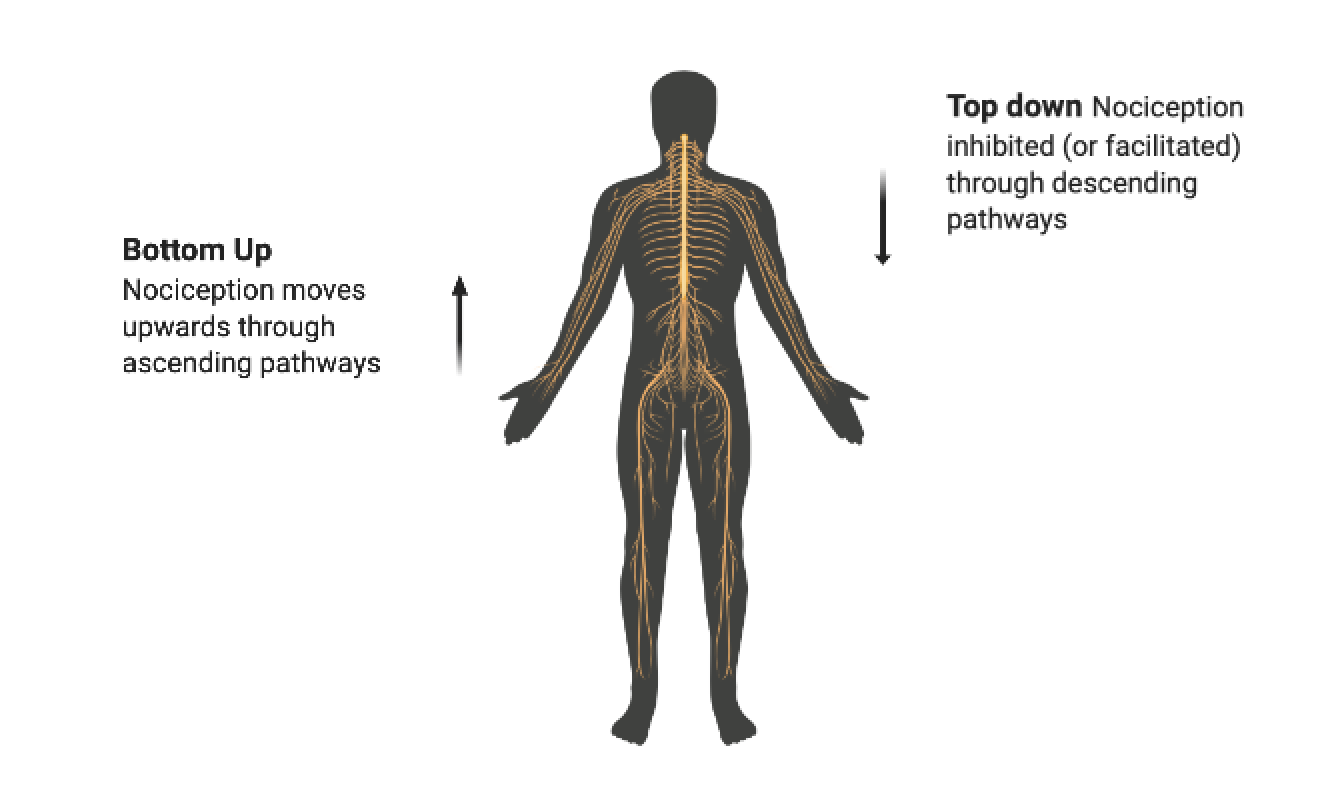
One key mechanism for exercise induced analgesia is descending inhibition of nociception, which occurs when certain brain areas suppress nociceptive signals in the spinal cord. This is called “top-down” control over pain, because the brain has an active say in whether pain occurs, as opposed to passively reflecting bottom-up signals from the body.

Screen Shot 2020-02-06 at 1.11.20 PM.png

For example, in an emergency, the brain might recognize that survival requires running, so it activates the descending inhibitory system to suppress nociception. (Interestingly, this suppression is selective, focused more on C fibers than fast acting A fibers, which means that “old news” about existing tissue damage is effectively tuned out, while the system remains alert to sensory information about new injuries  (Heinricher 2010).

The descending inhibitory system is generally activated by vigorous physical activity. During a marathon (which may be perceived as a minor emergency), the feet and knees may generate a lot of nociception, but much of it will be inhibited if higher brain centers determine that completing the marathon is a valuable goal. Not surprisingly, triathletes have supercharged descending inhibitory systems: they truly get high from running. People with chronic pain and fibromyalgia are at the opposite end of the spectrum – their descending inhibitory systems do not work very well at all, which is why they often feel worse not better during physical activity. Many experts believe that the behavior of the descending inhibitory system is a critical factor in explaining chronic pain (Ossipov 2012, 2015).

Key Anatomical Structures Involved In Descending Inhibition

The periaqueductal gray (PAG) was the first brain region shown to activate an endogenous pain inhibitory system, as its stimulation caused immediate pain relief (Kwon 2014). The PAG receives inputs from parts of the limbic system and brain areas involved in processing emotion, fear, and motivation. These connections are understood to be mechanisms by which thoughts and emotions can affect pain. For example, the PAG plays a role in the placebo response.

The PAG influences descending inhibition primarily through its connections to the rostral ventromedial medulla (RVM), which can also facilitate nociception. The decision about whether to facilitate or inhibit nociception is based on considerations by higher level brain areas about the meaning of the nociception and how to respond to it (Melzack and Wall 2014).

Just as suppression of pain could be advantageous in highly stressful or dangerous situations where other behaviors must pre-empt pain responses and recuperative behaviors in order to ensure survival, facilitation of pain could promote recuperative behaviors during illness, and enhance vigilance in situations where threat is possible, but not imminent.

(Heinricher 2009). Two types of neurons have been identified in the RVM as being responsible for pain modulation: on-cells and off-cells. Off-cells trigger descending inhibition, and on-cells create descending facilitation (Kwon 2014). The dynamic balance between on and off is dictated by behavioral priorities, fears, and other factors evaluated by higher structures in the brain (Heinricher 2009). It has been suggested that an imbalance toward facilitation may underlie pathological pain states (Ossipov 2012).

A primary target for descending modulation is the dorsal horn of the spine, which is the point where peripheral nerves connect to the spinal cord. The dorsal horn acts as a “gate” on nociception, because its sensitivity helps determine whether nociception moves from the body to the brain. Sensitivity is determined in part by ascending sensory information (the amount of nociception from the periphery), but also the descending modulation from the PAG-RVM system. Thus, inadequate inhibition can be an important cause of central sensitization and chronic pain states (Ossipov 2012).

There are a wide variety of chemical substances that act to inhibit nociception, including endogenous opioids, cannabinoids, serotonin, and catecholamines. For example, opiod peptides bind to opioid receptors on many parts of central and perisperhal nervous system, and this decreases the excitability of the nociceptors, causing them to fire less (Da Silva 2018).

Immune System Changes

Physical activity can also affect pain by causing complex changes in the behavior of the immune system, both locally and globally (Petersen 2005; Sluka 2018). For example, exercise can modulate the phenotype of macrophages in muscle, making them more likely to release anti-inflammatory as opposed to pro-inflammatory cytokines. There is research indicating that regular exercise can reduce the level of circulating inflammatory cytokines in the bloodstream, in patients with fibromyalgia and healthy controls. Other research shows that regular exercise may reduce glial cell activation in the central nervous system, reduce inflammatory cytokines, and increase anti-inflammatory cytokines in the dorsal horn (Sluka 2018).

Conditioned Modulation

Another reason exercise may kill pain is through conditioned pain modulation or “CPM” (also referred to as diffuse noxious inhibitory control or counter-irritation). CPM describes the phenomenon whereby “pain inhibits pain.”

CPM has been studied for at least 70 years, because it’s fairly easy to study. Experiments usually look something like this: (1) a person receives a noxious stimulus (such as pressure) and reports pain level, and then (2) the person is exposed to a painful “conditioning stimulus”, such as cold water immersion of the hand, and then (3) the person receives another round of the initial noxious stimulus and reports pain level. Usually, the second round will feel less painful, and the degree of pain relief is considered a measure of how well the descending inhibitory system is functioning.

Here are some interesting facts about CPM:

  • CPM is the likely mechanism for pain reduction in a wide variety of manual therapies, including deep tissue massage, acupuncture, dry needling, instrument assisted soft tissue manipulation, and foam rolling. If any of these treatments help with your pain, it is likely that you can get the same effect from the right kind of exercise.

  • CPM is less effective in patients with IBS, TMJ, tension headache, fibromyalgia and depression (Yarntisky 2010).

  • Pre-operative CPM efficacy predicts post-operative pain levels, including which patients transition from acute to chronic pain (Yarnitksy 2010).

  • CPM efficiency predicts the strength of exercise induced analgesia, and they probably rely on at least some common mechanisms (Stolzman 2016).

  • People who frequently engage in vigorous activity have enhanced CPM compared to less active people (Sluka 2016).

Can We Improve Descending Inhibition Through Exercise?

We know that physical inactivity is a risk factor for chronic pain, that exercise stimulates the pain modulatory system, and that a healthy balance in the system is necessary for avoiding chronic pain. This raises the question of whether regular exercise is a way to maintain and recover the proper function of the pain inhibitory system. Sluka and colleagues propose that the answer is yes:

regular physical activity changes the state of central pain inhibitory pathways and the immune system to result in a protective effect against a peripheral insult.

The evidence in support of this contention is confusing and mixed, but there are some encouraging results. In addition to the research discussed above, it has been shown that regular aerobic exercise is an effective treatment for fibromyalgia, and can also increase tolerance to ischemic pain in healthy individuals (Sluka 2016; Ellingson 2016). On the other hand, it has been found that aerobic capacity does not predict pain level in response to a given stimulus, and several studies show that exercise can cause pain in fibromyalgia or lead to flareups (Ellingson 2016). In general, almost any kind of exercise seems to help with almost any kind of chronic pain, but the effect sizes tend to be small.

Closing Thoughts

Exercised induced analgesia is not just about getting some temporary feel-good chemicals from a jog or weightlifting session. It is about tuning up a system whose proper function is necessary to keep you feeling good all the time.

A word of caution about the physiology discussed here: it’s very interesting to learn about all of the individual micro-level players in the descending inhibitory system, but we must remember that they interact in highly dynamic and complex ways. Therefore, their collective effect may be very hard to predict by analyzing the separate parts. For example, serotonin inhibits pain in some contexts but facilitates it in others. This is why therapies aimed at very specific targets (especially drug therapies) may have unintended effects, or even cause the opposite of the intended effect.

In my view, the more practical perspective is to keep in mind the purpose for which the descending inhibitory system evolved, which is to help you perform personally valued movements in the face of potential physical danger. Descending inhibition is there to keep you moving even when the movements are generating some nociception, especially when those movements are meaningful and intrinsically motivating. To keep the system healthy, challenge it to perform this function at a goldilocks level of intensity as often as possible, and see if it adapts to get better at its job.

This is how we improve the function of all the different bodily systems that help us move around, including muscles, tendons, bones, and the cardiovascular system. When they are put under an appropriate level of challenge or stress to do their jobs, they get better at doing them. Perhaps something similar holds true for the descending inhibitory system. Find movements that make you feel good, or that at least give you a “good pain,” and do them frequently.

References

Da Silva Santos R, Galdino G. Endogenous systems involved in exercise-induced analgesia. J Physiol Pharmacol. 2018;69(1):3-13. doi:10.26402/jpp.2018.1.01

Kwon M, Altin M, Duenas H, Alev L. The role of descending inhibitory pathways on chronic pain modulation and clinical implications. Pain Pract. 2014;14(7):656-667. doi:10.1111/papr.12145

M.M. Heinricher, Tavares I, Leith JL, Lumb BM. Descending control of nociception. 2010;60(1):214-225. doi:10.1016/j.brainresrev.2008.12.009.Descending

Ossipov, Morimura. Descending pain modulation and chronicification of pain. Curr Opin Support Palliat Care. 2015;9(1):38-39. doi:10.1097/SPC.0000000000000055

Petersen AMW, Pedersen BK. The anti-inflammatory effect of exercise. J Appl Physiol. 2005;98(4):1154-1162. doi:10.1152/japplphysiol.00164.2004

Polaski AM, Phelps AL, Kostek MC, Szucs KA, Kolber BJ. Exercise-induced hypoalgesia: A meta-analysis of exercise dosing for the treatment of chronic pain. PLoS One. 2019;14(1):1-29. doi:10.1371/journal.pone.021041

Price TJ, Ray PR. Recent advances toward understanding the mysteries of the acute to chronic pain transition. Curr Opin Physiol. 2019;11:42-50. doi:10.1016/J.COPHYS.2019.05.015

Sluka KA, Frey-Law L, Hoeger Bement M. Exercise-induced pain and analgesia? Underlying mechanisms and clinical translation. Pain. 2018;159(9):S91-S97. doi:10.1097/j.pain.0000000000001235

Ellingson LD, Stegner AJ, Schwabacher IJ, Koltyn KF, Cook DB. Exercise strengthens central nervous system modulation of pain in fibromyalgia. Brain Sci. 2016;6(1):13. doi:10.3390/brainsci6010008

Melzack and Wall. Textbook of Pain Ed. 6.

Zhuo M. Descending facilitation: From basic science to the treatment of chronic pain. Mol Pain. 2017;13:1-12. doi:10.1177/1744806917699212

Yarnitsky D. Conditioned pain modulation (the diffuse noxious inhibitory control-like effect): Its relevance for acute and chronic pain states. Curr Opin Anaesthesiol. 2010;23(5):611-615. doi:10.1097/ACO.0b013e32833c348b

Alsouhibani A, Vaegter HB, Bement MH. Systemic exercise-induced hypoalgesia following isometric exercise reduces conditioned pain modulation. Pain Med (United States). 2019;20(1):180-190. doi:10.1093/pm/pny057

Stolzman S, Bement M. Does exercise decrease pain via conditioned pain modulation in adolescents?”. Pediatr Phys Ther. 2016;28(4):474. doi:10.1097/PEP.0000000000000313

Ossipov MH. The Perception and Endogenous Modulation of Pain. Scientifica (Cairo). 2012;2012:1-25. doi:10.6064/2012/561761

Yamamotová A. Mechanisms of exercise-induced hypoalgesia. Psychiatrie. 2018;22(1):33-38. doi:10.1016/j.jpain.2014.09.006.Mechanisms

The post Exercise Induced Analgesia appeared first on The Massage Therapist Development Centre.


source https://themtdc.com/exercise-induced-analgesia/

Saturday, 9 October 2021

Articles Of The Week October 10, 2021

We are big proponents of implementing research into your practice, but sometimes it can be hard to tell what is good and bad research. A systematic review is generally considered one of the better kinds of research papers to look at, but there can still be flaws with them too. This article helps us understand this a little better.

What is the difference between a systematic review and a meta-analysis? – Jennifer Hanratty

Learning is different for everyone. If you’re teaching in a massage college, or a continuing education course you’ve probably seen how students learn in a variety of ways. Perhaps the exams that go with courses should be changed to a ‘learning opportunity’ to focus on actual learning instead of memorizing?

Why I Went from Proctored Exams to Open-book – Debbie Fetter

Relationships are an important part of being a Massage Therapist. As we know therapeutic relationships are a crucial part of the interaction we have with our patients, but how much attention do we pay to our business relationships?

Why MTs Succeed: Massage Business Relationships – Mark Liskey

Some of the good research that has been done on massage is how it helps improve sleep and mood. So we know there is a potential to help those dealing with depression but we also have to ask is the lack of sleep potentially causing depression or vice-versa? This article can help us understand this a little better and has some great things we could share with our patients.

Does Depression Make You Tired And How? Meredith Flanagan

I think many of us suffer from burnout from time to time (I know I certainly have!). While this article is directed at trainers, many of the same things still apply to us Massage Therapists. Here are 5 signs you might be experiencing burnout and if you are, please talk to someone about it because YOUR mental health is crucially important.

5 Signs You’re a Trainer Approaching Burnout – Chris Cooper

The post Articles Of The Week October 10, 2021 appeared first on The Massage Therapist Development Centre.


source https://themtdc.com/articles-of-the-week-october-10-2021/

Thursday, 30 September 2021

Podcast: Beliefs Vs. Science


On this episode we look at “Beliefs Vs. Science” and how this functions within our profession.

We are of the belief that if science refutes or proves your belief wrong, we have a responsibility as healthcare professionals to change that narrative.

Check out our upcoming live courses in October that can also be attended via zoom by clicking the link:

https://themtdc.com/courses/clinical-applications-of-pain-science-manual-therapy-exercise-and-rehabilitation-principles-for-rmts/

The post Podcast: Beliefs Vs. Science appeared first on The Massage Therapist Development Centre.


source https://themtdc.com/podcast-beliefs-vs-science/